Showing posts with label documentary. Show all posts

Monday, December 31, 2012

The Art of Pangud


The best way of passing down one's culture is by engraving it in the body. This is what the last traditional mambabatok (tattoo artist) in Kalinga does. Tattoing is an extremely old art form that has existed among many different cultures around the world. Over the centuries some cultures maintained the practice while others abandoned it.

In a small town in Buscalan lives the 92 year old lady mambabatok namely Maria "Pangud" Oggay who has been practicing the traditional art of tattooing for almost 77 years now. She learned this craft from the male mambabatoks during the early times by watching them. The tools that she used are pine soot for the ink, pomelo torn for the needle and a bamboo stick to hold the needle and a hammering stick. At first, Pangud prepares the ink by scraping the soot from under the pot and mix it with a little water then readies the bamboo stick in which she will insert the pomelo thorn or gisi (kisi). Before she starts puncturing the skin she first put a stencil of the design which usually started with two lines to indicate the length and position of the tattoo. Now she is ready to do her masterpiece.

After dipping the needle to the ink, Pangud holds the stick with the needle on one hand so that when it struck with the hammer stick the needle would be driven into the epidermis and then spring back to its position above the skin. The tapping sound is called "tek-tek" or "to hit slowly" hence form the word "batek". After she finishes one part she rubs the wound with the ink.Pangud finishes the work depends on the size of the tattoo but on the average it takes about one and a half hour.

Why do people choose to suffer the pain and possible illness from this kind of art? What do they gain from this? During the early times the people of Kalinga consider tattoo as a form of beauty for the women and a sign of courageousness for men. They start tatooing themselves at the tender age of puberty and for them tattoos are essential form of art that reflects their roles in the society, status in life, tribal identity, eligibility for marriage and of course beauty. For women if they don't have a tattoo it means that they are less attractive to men. For men its a symbol that they have entered their manhood and for the warriors it serves as a trophy after their successful hunt or fight.

The usual intricate designs of Kalinga tattoos are centipede (ginay-gayaman), python (chila or urog) and honeycomb (ufog). They have different meanings from fertility, long life, protection and relationship to their ancestors and spiritual world.

Pangud lives a very ordinary life, whenever she's not tattooing she busied herself from her wild pigs and ricefield but as the only mambabatok who lives she is proud of her choosen profession.Even though that she has been suffering headaches and fatigue she still plans to continue this unique art and lifestyle that has been passed down to her in order for their culture to remain alive not only for the people of Kalinga but mostly for those who she mark.

a lot of first as the year ends...

...I reflect on some photos that made an impact in my 2012


Hala Bira!!

My first time in attending this colorful festival in Kalibo, Aklan. Ang saya maki sadsad hehe party all day and night in the streets is a good way to begin the year


A miner's life

I was given an opportunity to do a story on the small scale gold mining in Camarines Norte under the NGO Ban Toxic. Its a eye opener story about the dangers of the mines and their health risk in being exposed to mercury. This inspired me to do a long term story on this issue.


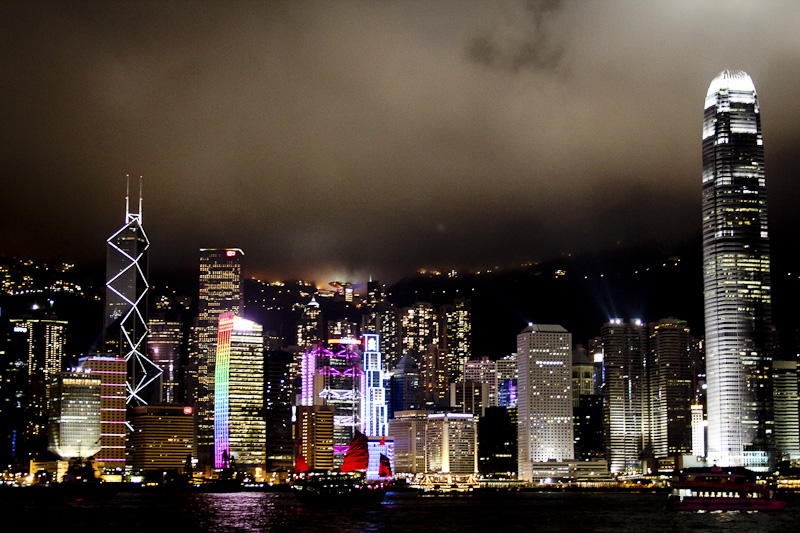
City of dancing lights

My lola and cousin travel Hongkong for 5 days its a tiring trip but worth it :)

Like a miniature city

Riyadh on top view my last photo of Saudi

Caramoan!!

Its like little Coron hehe its good to swim again  :)

Sustainable mining

The second part of the mining story is a small mining town called Gaang in Kalinga. Here the miners have been practicing mercury free mining for a year now. I really admire the effort of the Banao people in their high regards to health safety and protecting the environment. Hope to be back on this place next year even though the climb up there is sooooo harddd!!! hehe  its worth it especially if I'm able to take home something that is more than gold.

New hairdo ^_^

What can I say hehe got myself a new haircut and i love it!!


Wedding vows

The first wedding I've ever attended and its in India weeh!! Congrats my dear friend Nishant :)

Run for your lives!!

The first ever zombie run in the Philippines! Its exhilarating and full of thrills :) I'm planning to join next year as a runner hopefully I can survive it


Tour of the Firelies- Bike for Sustainable Energy!

My first time to bike around Metro Manila hehe so fun!!!

 Goddesses No More

I thank the Lord for giving me an opportunity to be part of the 8th Angkor Wat Photo Workshop. I was able to do a story of culture and to meet this beautiful and talented dancers. Kudos to the art of dancing!!


The Last Mambabatok

What good way to welcome the end of the world by making a story about the last mambabatok or traditional tattoo artist in Kalinga. More power to you and your art master Pangud!


As the year closes to an end I would like to take this opportunity to thank the Lord for giving me the gift of photography without it I won't be able to meet this amazing people :) Domo arigatou gozaimasu ^_^


Sunday, September 2, 2012

Responsible mining: Best Practice of the Banao Tribe


In the province of Kalinga lies the mining community called Gaang. Most of the people living in this town are from the Banao tribe, one of the gentlest tribe in the Mountain Province and a proud tribe of blacksmiths. They been mining for more than two decades now since the gold rush in the 80s. At first they use Mercury (Hg) for easy processing of gold but they notice the bad effects of it on their health and their rivers. Even a mercury seller for 15 years now gave up her business because of these effects

Since last year the Ban Toxics held a workshop for the miners about the non-mercury practice where all they need to do is to go back in the old processes by using sluice box, panning devices and just simple borax. At first they had a hard time adapting it because it takes more time to process the gold than just using mercury, but as time passes by they begin to see the benefits from it. They notice the high quality of gold that they got from this mercury-free method and they don't have to worry about getting sick anymore.

Its been a year now since the mining town of Gaang is practicing this mercury free method its still a challenge to implement it in other places but its a good start for everyone and a good sign that there is hope for a cleaner and safer future for the miners.

Wednesday, June 6, 2012

What Lies Beneath- a story on small scale mining in the Philippines


What Lies Beneath


The Philippine deposits of gold, copper, chromium and nickel are considered as the 5th largest in the world. In 2009, the Mines and Geosciences Bureau (MGB) of the Department of Environment and Natural Resources (DENR) estimated the country’s gold reserves at 5,080,785,289 tons, based accordingly on the bureau’s consolidation of resource inventory data supplied by mining companies. Forty provinces that have gold deposits practice different ways of mining gold that has been hand down from their ancestors since 3rd century.[1]

The Artisanal and Small-scale Gold Mining (ASGM) is very common to the rural areas of the Philippines because of the constant surge in the price of gold and easy way out of poverty. ASGM, which occurs in more than 70 countries, provides income to an estimated 10 - 15 million miners including 4.5 million women and 1 million children.[2] The sector produces about 500 to 800 tonnes of gold per annum, which accounts for about 20 to 30 percent of the world’s gold supply.[3] Despite of this, destruction of environment and human health is at stake.

The use of mercury (Hg) in ASGM posed a very dangerous threat to the health of the miners. It contains potent neurotoxin that impairs brain function, lowers intelligence and causes hearing loss. It also affects women in terms of miscarriages and birth defects. This element also destroys the environment by polluting freshwater bodies. Moreover, small scale mining practices such as the use of dynamite in making tunnels is one of the cause of landslides and degradation of the mountain.

This photo story will focus on the environment and health issues pose by the artisanal and small-scale gold mining practices in the Philippines and it will also showcase how the players such as the miners, townspeople and the government are dealing with it. My objective in making this story is to educate the people about the reality that small scale mining is dangerous but a kind of livelihood that is essential in the national development of the country. It aims to call on the attention of the government to regulate and supervise this kind of livelihood for the benefit of the miners and the companies.


[1] Ban Toxics report: The price of gold, 2010
[2] Module 3, Mercury Training Module, United Nations Environment Programme, 2008
[3] Export Bans and Reducing Mercury Consumption in Artisana land Small Scale Gold Mining, Kevin Telmer, University of Victoria

Monday, January 2, 2012

day 259-247: the best of 2011

Time for some reflections, the following 12 photos are the highlights of my 2011.


January- its good to see my college friends again after so many years.


February- my first try in shooting wedding (thanks for the opportunity Kuya Mel sa uulitin :)


March- spending my birthday in Saigon with my dear friend and classmate Chiloy ^_^


April- taking lighting sessions with Kuya Mel as preparation for my portrait portfolio for ACFJ


May- after one year of studying and 6 months of working for our final portfolios, we're finally done weeh!! Thanks so much for all our mentors and for the good memories and hardships my dear batch mates hehe kudos to all :)


June- Coron!!After our 2 weeks of sleepless nights preparing for the defense its time to sit back, relax and enjoy the beach weeh!!


July- its good to be back in our province after 8 years maupay!!


August- ever been inside a control room of a nuclear power plant?hehe this is one heck of an experience!! hoping the government will covert this mothball BNPP into a more productive way as a tourist destination rather than operating it again.


September- again another once in a lifetime experience to enter a cold storage area for fish the temperature is below 8 degrees Celsius brr.....


October- my first solo exhibit, Realities a photo story on Cosplay being shown in SM Mall of Asia during the 2011 Cosplay Mania thanks everyone for making this possible :)


November- travel again hehe this time in Angkor Wat wherein I met new friends and great photographers


December- after 4 years its good to spend Christmas with the whole family in the Philippines :)

2011 is a good year thanks to my family, friends and all the blessings and challenges Lord God for this new year I pray that Your will should be done again Glory be to the Highest!!

Deadly beauties- a photo story on pyrotechnic

As the year ends so does my third story for the year 2011...

Deadly beauties

Every time there is a big event such as New Year or fiestas people always celebrate it with a loud bang from firecrackers and exhibitions from fireworks display.They do it out of traditions or just the simple thrill of listening to its loud noise and watching the beauty it possess in the night sky. But how many people really know what's behind this complex beauty?

According to the Department of Health (DOH), a total of 476 people, including children, were injured by firecrackers and stray bullets during the Philippines’ observance of the holiday season. Out of this number, 454 are cause by pyrotechnic products. The figures already decline by 13 percent from last year's data of 536.The accidents are largely cause by firecrackers especially Piccolo, a type of pyrotechnic which is small but can cause a loud bang and severe injuries. The victims are suffering from eye injuries or loss of fingers and most of them are children. A medical personnel from Jose Reyes Memorial Medical center is saying that the government should educate the public all year-round on the dangers and hazards posed by the use of fireworks and firecrackers.

A campaign launch by DOH this year called Aksyon Paputok Injury Reduction (APIR) gives warnings and alternatives in pyrotechnics such as prohibiting children to use any kinds of firecrackers and use other noisemakers such as "torotot" as a substitute.

Even though every year Filipinos are facing the same dilemma out of this products, the industry cannot be simply taken out because its been in the country since pre- Spanish era, being brought by the Chinese and taught to our ancestors.

Pyrotechnics has its origin in Santa Maria, Bulacan it started as early as 1876 by Valentin Sta.Ana. He then passed it down to his children which established the first fireworks factory in this town. As time passes by they gain more knowledge on fireworks making that the industry boom and give birth to other factories and stores in Bocaue, Baliuag, Norzagaray, Angat towns and spread all over the provinces in the country.

The industry faces a lot of difficulties from the terrible accident that occur in Meycauayan City that killed 26 people to the banning of production during the Marcos Era. But people are still pursuing this kind of business that is why in 1992 the Philippines created Republic Act 7183 - an act regulating the sale, distribution and use of firecrackers and pyrotechnic devices, also known as Firecrackers/Pyro Law.

Since then about 500 manufacturers can be found in the towns of Bocaue, Santa Maria and Baliuag some of them even join international competitions such as the Macau International Fireworks Display.

It cannot be denied that this line of business pose a lot of safety and health issues to the workers hence they establish a Pyrotechnics Regulatory Board to address these issues. The board duty is to make safety as a top priority of every manufacturers not just for the sake of their workers but also for the people who uses their products. They also provide ways to promote the industry by making quality a top priority of the makers rather than quantity in order to be in a competitive level to China.They also encourage the makers to produce much safer pyrotechnic product. One manufacturer and distributor called Nation Fireworks are focusing more on making fireworks display rather than firecrackers.

As of 2000, the industry is downgrading due to illegal makers and "fly by night" type of manufacturers and dealers. But groups such as Philippine Pyrotechnics Manufacturers and Dealers Association Inc. (PMDAI) is working hard to professionalize the industry by mandating every makers to register their businesses legally. They also hold safety workshops and seminars all over the country to educate the makers on how they can maintain their businesses and achieve high class quality fireworks.

Even with these efforts a lot of manufacturers and dealers are thinking of giving up the business and take other jobs because of the difficulties they are facing. Its not easy to give it up especially if its been in their family for centuries and it will always remain as part of the traditions. One can never deny the yearly causalities that the country is suffering because of this industry but this can be avoided if only everyone can be responsible in making and handling this delicate products.

This photo essay showcase the two sides of this complex industry, the beauty of its creation and the danger that comes with it.

Wednesday, October 19, 2011

day 324: magtanim ay di biro

Sorry for the late updates so many things happen this past week and I was down with the colds ^^; Anyways here is my supposed to be entry for the blog action day last Sunday (16 Oct) during the World Food Day. Its my photo essay of organic farming in Bacolod, Negros Occidental last 2 years ago. Its an eye-opener experienced of documenting these farmers because they really show hard labor and real passion on what they are doing.

Let's always remember not to waste food and finish it with all gusto. Kudos to all the farmers in the world. Happy World Food day to all ^_^